In today’s digital world, our eyes are constantly under strain. From staring at smartphones and laptops to spending long hours in front of television screens, eye fatigue has become a common issue for people of all ages. While glasses and medical treatments are often necessary for certain conditions, there are also natural ways to support and improve your vision. Eye exercises, when practiced regularly, can help reduce strain, enhance focus, and promote overall eye health.
This blog explores six of the best exercises that can help improve eyesight in a simple and effective way.
1. Palming: Relaxation for Tired Eyes
Palming is one of the simplest and most effective eye exercises. It helps relax the muscles around your eyes and reduces stress caused by prolonged screen exposure.
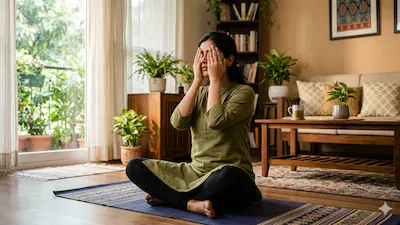
To perform this exercise, rub your hands together until they feel warm. Then gently place your palms over your closed eyes without applying pressure. Make sure no light enters your eyes. Sit comfortably and focus on your breathing for about 2–3 minutes.
This exercise works by allowing your eyes to rest completely. It is especially beneficial if you spend long hours working on a computer. Practicing palming several times a day can significantly reduce eye fatigue and improve comfort.
2. Blinking Exercise: Restoring Natural Moisture
Blinking is something we do naturally, but when using digital devices, our blinking rate decreases significantly. This leads to dry, irritated eyes.
The blinking exercise is very easy. Simply blink your eyes rapidly for 10–15 seconds, then close your eyes and relax for 20 seconds. Repeat this cycle 4–5 times.
This exercise helps spread natural tears across the surface of your eyes, keeping them hydrated. It also clears out dust and reduces dryness. Making a conscious effort to blink more often can improve clarity and reduce discomfort.
3. Focus Shifting: Improving Eye Flexibility
Focus shifting is a great exercise to improve the flexibility of your eye muscles. It trains your eyes to quickly adjust between near and far objects.
To do this, hold your thumb about 10 inches away from your face and focus on it for 10–15 seconds. Then shift your focus to an object that is farther away (at least 10–20 feet). Hold your gaze there for another 10–15 seconds. Repeat this process 10–15 times.
This exercise is particularly useful for people who spend a lot of time reading or working on screens. It helps reduce strain and improves your ability to focus on objects at different distances.
4. Eye Rolling: Strengthening Eye Muscles
Eye rolling is a simple exercise that strengthens the muscles around your eyes and improves coordination.
Sit comfortably and look straight ahead. Slowly roll your eyes in a circular motion first clockwise, then counterclockwise. Perform this movement 10 times in each direction.
This exercise enhances blood circulation around the eyes and can help reduce stiffness. Over time, it may improve your ability to control eye movements and maintain focus.
5. The 20-20-20 Rule: Preventing Digital Eye Strain
While not exactly a traditional exercise, the 20-20-20 rule is one of the most effective ways to protect your eyesight in the digital age.
The rule is simple: every 20 minutes, take a 20-second break and look at something 20 feet away.
This habit allows your eye muscles to relax and prevents overexertion. It is especially important for students and professionals who spend long hours in front of screens.
Incorporating this rule into your daily routine can significantly reduce eye strain, headaches, and blurred vision.
6. Pencil Push-Ups: Enhancing Convergence
Pencil push-ups are an excellent exercise for improving eye coordination and convergence (the ability of both eyes to work together).
Hold a pencil at arm’s length and focus on its tip. Slowly bring the pencil closer to your nose while keeping your eyes focused on it. Stop when the image becomes blurry, then move it back to the starting position.
Repeat this exercise 10–15 times.
This exercise is particularly helpful for individuals who experience difficulty focusing on close objects. It strengthens the eye muscles and improves coordination between both eyes.
Additional Tips for Better Eye Health
While exercises can be very helpful, maintaining good eye health also requires a balanced lifestyle. Here are a few additional tips:
- Maintain a healthy diet: Foods rich in vitamins A, C, and E, as well as omega-3 fatty acids, support eye health. Include carrots, spinach, nuts, and fish in your diet.
- Stay hydrated: Drinking enough water helps keep your eyes moist and prevents dryness.
- Get enough sleep: Proper rest allows your eyes to recover from daily strain.
- Limit screen time: Whenever possible, reduce unnecessary use of digital devices.
- Use proper lighting: Ensure your workspace is well-lit to avoid unnecessary strain.
Final Thoughts
Improving eyesight naturally requires consistency and patience. While these exercises may not completely eliminate the need for glasses or medical treatment, they can significantly enhance eye comfort, reduce strain, and support overall visual health.
Incorporating these six exercises into your daily routine takes only a few minutes but can make a noticeable difference over time. Just like any other part of the body, your eyes also need care, rest, and regular exercise to function at their best.
Start practicing these exercises today and take a step toward healthier, more relaxed eyes.